U.S. strike on Venezuela targets the country's vast oil reserves. Here's what to know.
Read Original Source
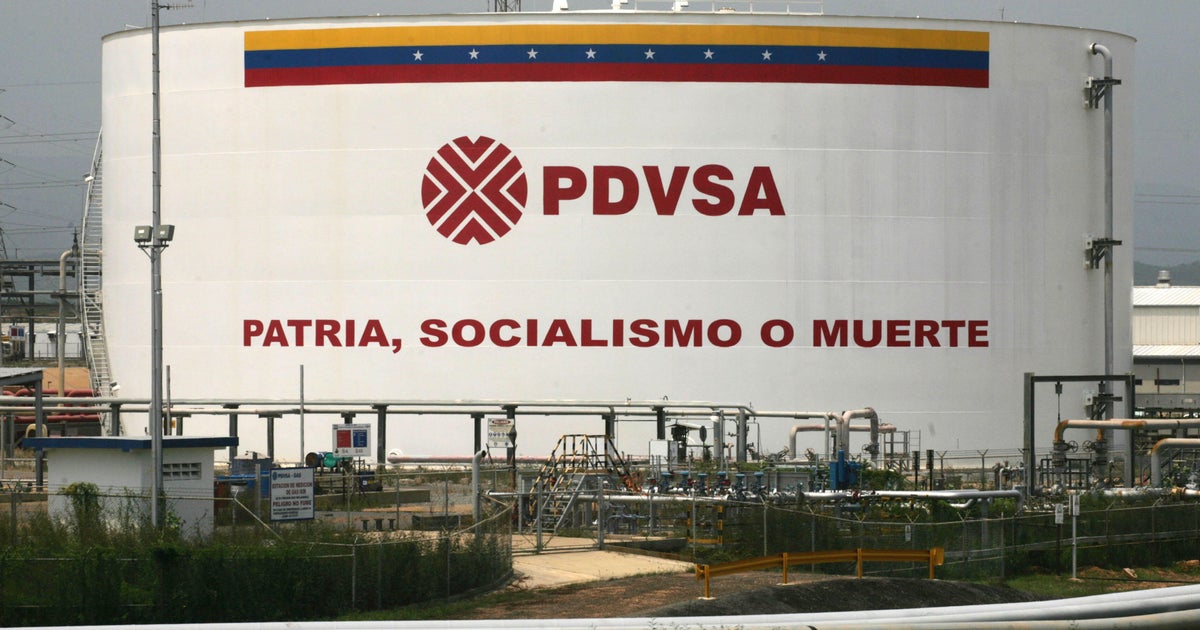
The U.S. strike on Venezuela has renewed focus on the country's oil sector, which includes some of the richest crude reserves in the world. "We're going to rebuild the oil infrastructure, which will cost billions of dollars, it will be paid for by the oil companies directly. And we're going to get the oil flowing the way it should be," President Trump said in a public address on Saturday following the attack, in which the U.S. captured Venezuelan President Nicolás Maduro and his wife.
AI Summary
Main Idea: The U.S. strike on Venezuela has drawn attention to the country’s huge oil reserves, but experts say the attack is unlikely to quickly change global oil prices or production.
Key Points:
- Venezuela has the world’s largest proven oil reserves, but it currently produces only about 1 million barrels a day.
- Its oil industry has suffered from years of underinvestment, sanctions, and damaged infrastructure.
- The U.S. says Venezuela’s oil sector has been targeted by sanctions, while only Chevron still operates there under a waiver.
- Experts say rebuilding production would take years and billions of dollars, though it could open the door for more U.S. energy investment.
Impact on the People
Negative Impact
US consumers and small businesses could face higher diesel and shipping costs if Venezuela’s oil supply is disrupted for long.
Positive Impact
Chevron and some US energy firms could gain if sanctions ease and Venezuela opens up to new investment.
How did each entity affect people?
Rate how each entity in this article affected the American people.
- Major:Chevroncompany
Candidate Entities11 candidates · 5 weighted vote min · 70% decision
- ChevroncompanyMajorEvaluated
The only U.S. oil company operating in Venezuela and a significant current market actor.
Include 0 (0%)Ignore 0 (0%)5 to threshold - President Donald TrumppersonPrimaryAI selected
Central figure in the article; his public remarks and the U.S. strike drive the story.
Include 0 (0%)Ignore 0 (0%)5 to threshold - President Nicolás MaduropersonPrimaryAI selected
Venezuelan president captured in the strike and a central political actor in the article.
Include 0 (0%)Ignore 0 (0%)5 to threshold - Petróleos de VenezuelacompanyMajorAI selected
Venezuela’s state-owned oil company, central to the country’s oil sector and U.S. sanctions.
Include 0 (0%)Ignore 0 (0%)5 to threshold - United StatescountryMajorAI selected
Major actor in the strike, sanctions, oil policy, and global market implications.
Include 0 (0%)Ignore 0 (0%)5 to threshold - ChinacountryContextCandidate
Mentioned as the main destination for Venezuelan oil exports.
Include 0 (0%)Ignore 0 (0%)5 to threshold - Saudi ArabiacountryContextCandidate
Used as a major comparison point for oil reserves and production.
Include 0 (0%)Ignore 0 (0%)5 to threshold - Capital EconomicscompanyMinorCandidate
Cited for analysis of Venezuela’s oil infrastructure and production challenges.
Include 0 (0%)Ignore 0 (0%)5 to threshold
Comments 0
Comments here are the same thread shown when this article appears in The Pulse.
No comments on this article yet.
Sign in to comment