Lawsuit accuses federal agents of racial profiling in Minneapolis immigration operation
Read Original Source
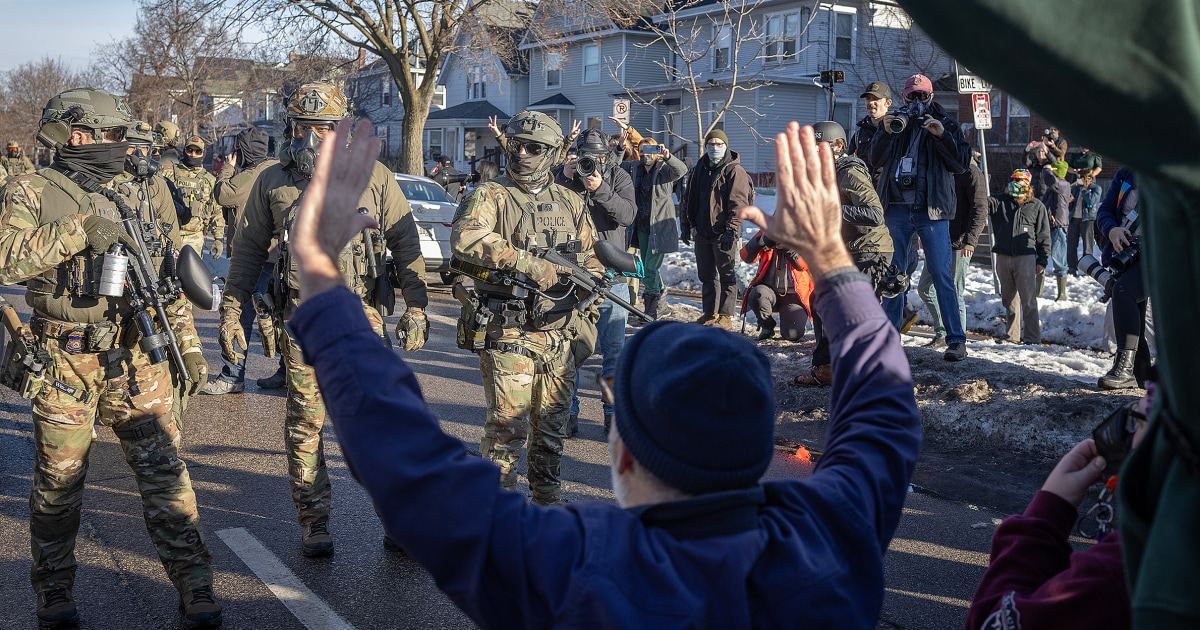
Legal challenges continue to mount for the Trump administration over its ongoing immigration crackdown in Minnesota, where the shooting death of an unarmed U.S. citizen last week triggered days of sometimes violent protests. Subscribe to read this story ad-free Get unlimited access to ad-free articles and exclusive content. On Thursday, the American Civil Liberties Union filed a lawsuit seeking class action in U.S.
AI Summary
Main Idea: The ACLU sued Immigration and Customs Enforcement, accusing federal agents in Minneapolis of racially profiling Somali and Latino residents during an immigration crackdown.
Key Points:
- The lawsuit says ICE and Customs and Border Protection agents stopped and detained people based on how they looked, not on evidence of immigration violations.
- One U.S. citizen of Somali descent says agents ignored his ID, took him to a processing center, and shackled him before he was released.
- Another Somali American said agents questioned him and his mother about speaking a foreign language, then left after they showed ID.
- The Department of Homeland Security denied wrongdoing, while Minnesota officials are also seeking to block the federal immigration surge in court.
Impact on the People
Negative Impact
The lawsuit may increase fear in immigrant and minority communities, and local businesses, schools, and households could face more disruption as ICE and DHS operations continue.
Positive Impact
If the court limits unconstitutional stops, residents could get better protection from racial profiling and more trust in law enforcement.
How did each entity affect people?
Rate how each entity in this article affected the American people.
- Primary:Department of Homeland Securitygovernment agency or body
- Primary:Immigration and Customs Enforcementgovernment agency or body
Candidate Entities11 candidates · 5 weighted vote min · 70% decision
- Department of Homeland Securitygovernment agency or bodyPrimaryEvaluated
Federal department that denied wrongdoing and is responsible for the immigration enforcement operation being challenged.
Include 0 (0%)Ignore 0 (0%)5 to threshold - Immigration and Customs Enforcementgovernment agency or bodyPrimaryEvaluated
Primary federal agency accused of carrying out the Minneapolis immigration operation at the center of the story.
Include 0 (0%)Ignore 0 (0%)5 to threshold - American Civil Liberties Unionnonprofit / NGOPrimaryAI selected
Filed the central lawsuit alleging racial profiling on behalf of affected people.
Include 0 (0%)Ignore 0 (0%)5 to threshold - President Donald TrumppersonPrimaryAI selected
His administration’s immigration crackdown and public statements are central to the article.
Include 0 (0%)Ignore 0 (0%)5 to threshold - Mahamed EydaruspersonMajorAI selected
Named plaintiff whose encounter with federal agents is described in the lawsuit.
Include 0 (0%)Ignore 0 (0%)5 to threshold - MinneapoliscityMajorAI selected
One of the local governments challenging the operation and the main setting of the enforcement actions.
Include 0 (0%)Ignore 0 (0%)5 to threshold - Minnesota Attorney General Keith EllisonpersonMajorAI selected
Filed a separate legal challenge on behalf of the state and Minneapolis-area cities.
Include 0 (0%)Ignore 0 (0%)5 to threshold
Comments 0
Comments here are the same thread shown when this article appears in The Pulse.
No comments on this article yet.
Sign in to comment