Trump ban on new foreign drones could raise prices and shrink choices
Read Original Source
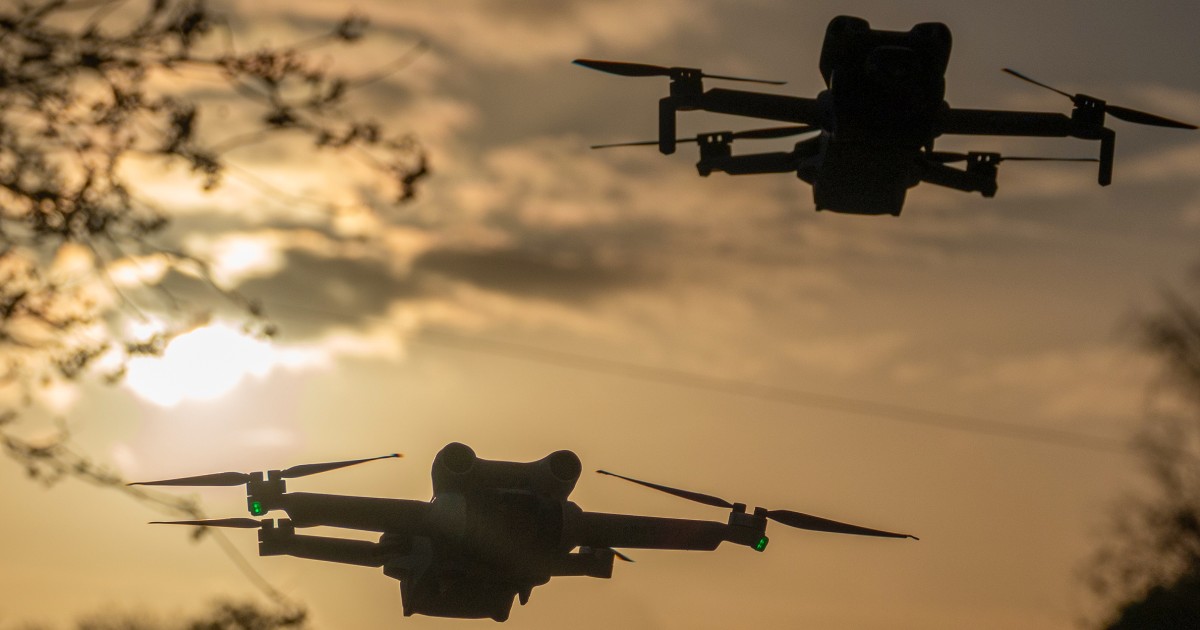
In late December, the Federal Communications Commission set the drone world abuzz with a sudden announcement that all new models of foreign-made drones and critical components would be banned from the United States. Subscribe to read this story ad-free Get unlimited access to ad-free articles and exclusive content. The move, aimed at reshoring and shoring up America’s drone industry, took many observers by surprise given the state of domestic drone supply chains.
AI Summary
Main Idea: The Federal Communications Commission’s ban on new foreign-made drones could boost U.S. drone makers, but it is also likely to raise prices and cut choices for consumers and businesses.
Key Points:
- The FCC moved to block new foreign drones and key parts, saying they pose national security risks.
- Because the U.S. drone supply chain is still small, many buyers may face higher costs and fewer advanced models.
- Skydio and other U.S. makers could gain from the shift, but they may not yet have the scale to replace Chinese brands like DJI.
- Standard Systems and other domestic suppliers say building out American drone production will take time, investment, and new parts manufacturing.
Impact on the People
Negative Impact
The FCC ban could raise drone prices, reduce choices, and make hobby, public safety, and small business users pay more for replacements and upgrades.
Positive Impact
The FCC ban could help US drone makers like Skydio and Standard Systems grow, which may create more domestic supply and jobs over time.
How did each entity affect people?
Rate how each entity in this article affected the American people.
- Primary:Federal Communications Commissiongovernment agency or body
- Major:Skydiocompany
Candidate Entities10 candidates · 5 weighted vote min · 70% decision
- Federal Communications Commissiongovernment agency or bodyPrimaryEvaluated
Central regulator that issued the ban on new foreign-made drones and critical components.
Include 0 (0%)Ignore 0 (0%)5 to threshold - SkydiocompanyMajorEvaluated
Named U.S. drone manufacturer positioned as an alternative to foreign-made drones.
Include 0 (0%)Ignore 0 (0%)5 to threshold - Association for Uncrewed Vehicle Systems Internationalunion / trade associationMajorAI selected
Leading drone trade group cited on industry conditions and the ban’s implications.
Include 0 (0%)Ignore 0 (0%)5 to threshold - President Donald TrumppersonMajorAI selected
The ban is framed as a Trump administration action affecting the drone market.
Include 0 (0%)Ignore 0 (0%)5 to threshold - Standard SystemscompanyMajorAI selected
U.S. drone-component manufacturer cited as a domestic supplier affected by the supply-chain shift.
Include 0 (0%)Ignore 0 (0%)5 to threshold - United StatescountryMajorAI selected
The market and national-security arena where the ban takes effect and where domestic supply is being reshaped.
Include 0 (0%)Ignore 0 (0%)5 to threshold - Chris LarsonpersonContextCandidate
CEO of Standard Systems quoted on the difficulty of replacing foreign-made drone components.
Include 0 (0%)Ignore 0 (0%)5 to threshold
Comments 0
Comments here are the same thread shown when this article appears in The Pulse.
No comments on this article yet.
Sign in to comment