Men describe beatings in foreign prison after being deported from U.S.
Read Original Source
Nicolás Maduro, the former president of Venezuela, now sits in a federal jail in New York awaiting trial. After a high stakes raid, the White House touted Maduro's capture as a blow to narco-terrorists who it says flooded U.S. streets with drugs. The repression of the Maduro regime over more than a decade forced eight million Venezuelans to flee— nearly a million of them to the United States. Last year, in the biggest U.S.
AI Summary
Main Idea: Luis Muñoz Pinto says he was wrongly deported from the U.S. to a prison in El Salvador, where he and other Venezuelan men say they were beaten and abused.
Key Points:
- The report says the U.S. sent 252 Venezuelan men to CECOT, a maximum-security prison in El Salvador, using a fast deportation process under the Alien Enemies Act.
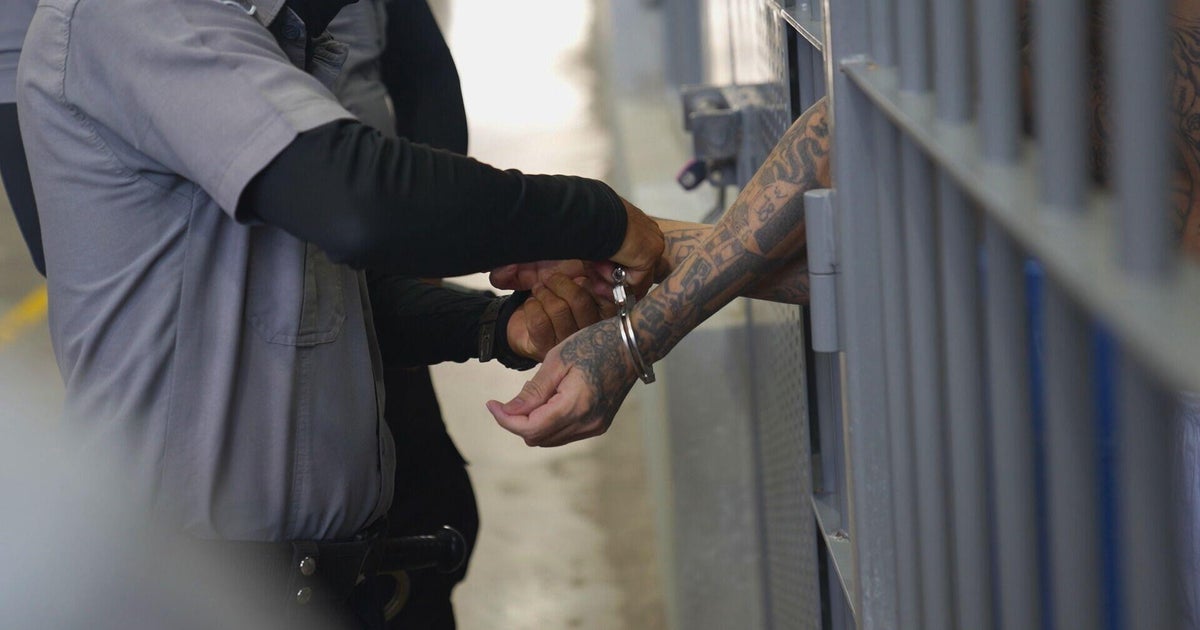
- Muñoz Pinto and another deportee described severe beatings, stress positions, poor food, filthy water, and, in some cases, sexual abuse by guards.
- Human Rights Watch says many of the deported men had no criminal history, and the article says available ICE data supports that finding.
- The story says the Trump administration defended the deportations as part of a crackdown on dangerous gang members, but critics say the evidence used was flawed, including tattoos as a gang marker.
Impact on the People
Negative Impact
The report says Trump’s deportation policy may have sent some people with no serious record to a prison where abuse was severe, raising taxpayer and civil rights concerns.
Positive Impact
No clear positive impact identified.
How did each entity affect people?
Rate how each entity in this article affected the American people.
- Primary:Luis Muñoz Pintoperson
Candidate Entities9 candidates · 5 weighted vote min · 70% decision
- Luis Muñoz PintopersonPrimaryEvaluated
One of the two men interviewed; his account of detention, abuse, and deportation is a primary focus.
Include 0 (0%)Ignore 0 (0%)5 to threshold - President Donald TrumppersonMajorAI selected
His administration’s deportation policy and praise for El Salvador’s prison system are central to the story.
Include 0 (0%)Ignore 0 (0%)5 to threshold - President Nayib BukelepersonMajorAI selected
El Salvador’s president is a major actor in the prison system and the deal to house deportees.
Include 0 (0%)Ignore 0 (0%)5 to threshold - Human Rights Watchnonprofit / NGOContextCandidate
Its report on alleged torture and abuses at CECOT is a key supporting source.
Include 0 (0%)Ignore 0 (0%)5 to threshold - Juan PappierpersonContextCandidate
Human Rights Watch representative cited to challenge the government’s claims and provide contextual findings.
Include 0 (0%)Ignore 0 (0%)5 to threshold - Karoline LeavittpersonContextCandidate
White House press briefing comments are quoted to explain the administration’s position.
Include 0 (0%)Ignore 0 (0%)5 to threshold - Nicolás MaduropersonContextCandidate
Mentioned as the former Venezuelan president whose repression is part of the story’s background context.
Include 0 (0%)Ignore 0 (0%)5 to threshold
Comments 0
Comments here are the same thread shown when this article appears in The Pulse.
No comments on this article yet.
Sign in to comment