Lawmakers in standoff over ICE reforms as DHS funding deadline approaches
Read Original Source
Washington — Republicans and Democrats in Congress are locked in a standoff over reforming the nation's immigration enforcement operation as a deadline to reach a resolution and fund the Department of Homeland Security approaches. Last week, Congress passed a package of funding measures to reopen the government and fund the bulk of agencies through September after a four-day partial shutdown.
AI Summary
Main Idea: Lawmakers are deadlocked over DHS funding because Democrats want ICE reforms, and the dispute could trigger a shutdown if no deal is reached by the deadline.
Key Points:
- Congress gave the Department of Homeland Security only a short-term funding fix through Feb. 13.
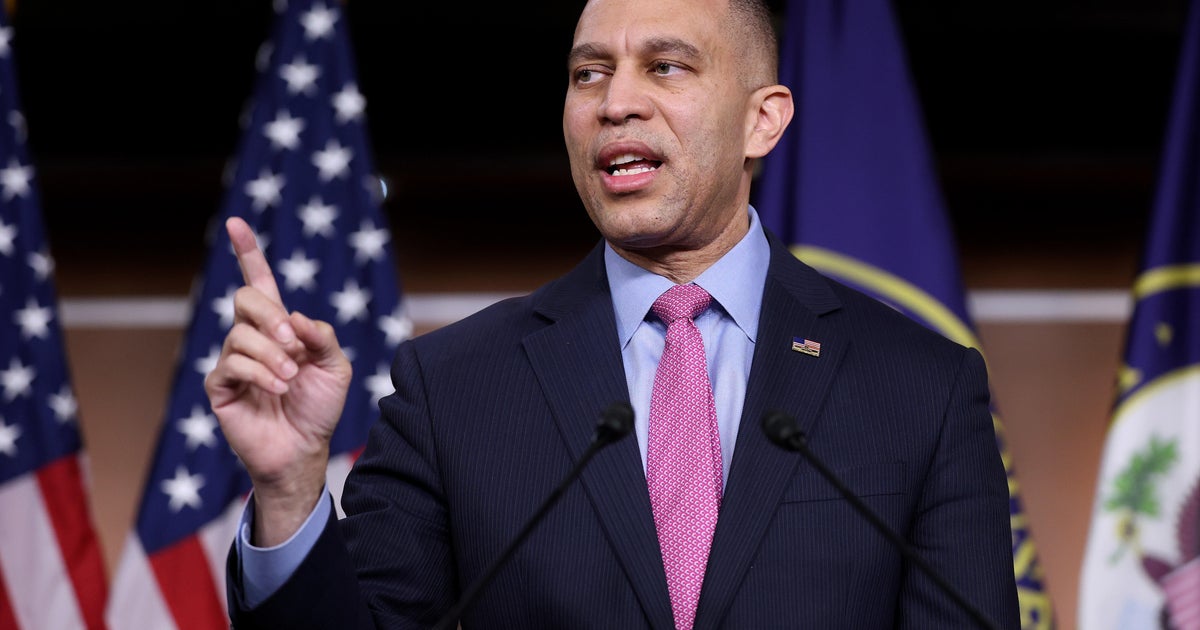
- Senate Democrats, led by Chuck Schumer and Hakeem Jeffries, are pushing new limits on ICE agents, including masks, ID display, body cameras, and warrant rules.
- Republicans say some ideas may be workable, but they reject key demands and accuse Democrats of overreach.
- If no agreement is reached, DHS funding could lapse on Feb. 14, though ICE and CBP operations would still keep going with other funds.
Impact on the People
Negative Impact
A DHS funding fight could delay federal services like TSA, FEMA, and Coast Guard support, which may disrupt travel, disaster help, and local safety if no deal is reached.
Positive Impact
ICE reforms could add body cameras, IDs, and warrant rules that may reduce abuse and improve trust in immigration enforcement for communities.
How did each entity affect people?
Rate how each entity in this article affected the American people.
- Primary:Congressgovernment agency or body
- Primary:Department of Homeland Securitygovernment agency or body
Candidate Entities12 candidates · 5 weighted vote min · 70% decision
- Congressgovernment agency or bodyPrimaryEvaluated
The legislative body locked in the funding standoff and negotiating the DHS measure.
Include 0 (0%)Ignore 0 (0%)5 to threshold - Department of Homeland Securitygovernment agency or bodyPrimaryEvaluated
The department whose funding deadline and reforms are at the center of the article.
Include 0 (0%)Ignore 0 (0%)5 to threshold - Immigration and Customs Enforcementgovernment agency or bodyPrimaryAI selected
Core enforcement agency being targeted for reforms in the funding fight.
Include 0 (0%)Ignore 0 (0%)5 to threshold - Representative Hakeem JeffriespersonPrimaryAI selected
House Minority Leader whose stated position and negotiation posture are a major focus.
Include 0 (0%)Ignore 0 (0%)5 to threshold - Senator Chuck SchumerpersonPrimaryAI selected
Senate Minority Leader whose demands and proposed DHS reforms are central to the standoff.
Include 0 (0%)Ignore 0 (0%)5 to threshold - Customs and Border Protectiongovernment agency or bodyMajorAI selected
Major DHS agency affected by the funding lapse and mentioned in the dispute.
Include 0 (0%)Ignore 0 (0%)5 to threshold - Representative Tony GonzalespersonMajorAI selected
Named Republican lawmaker publicly opposing and commenting on the proposed DHS reforms.
Include 0 (0%)Ignore 0 (0%)5 to threshold
Comments 0
Comments here are the same thread shown when this article appears in The Pulse.
No comments on this article yet.
Sign in to comment