Trump curious why Iran has not 'capitulated', Witkoff says
Read Original Source
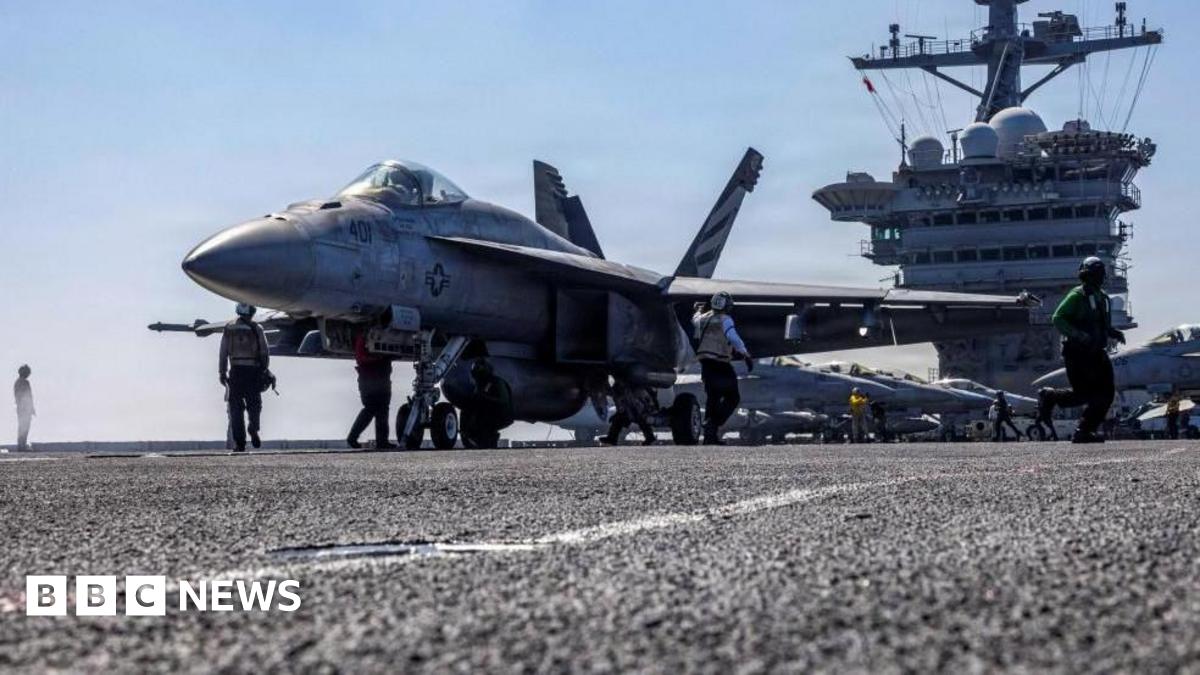
The US has been building up its military presence near Iran in recent weeks US President Donald Trump is questioning why Iran has not yet "capitulated" in the face of Washington's military build-up in the Middle East, the US president's special envoy has said. Steve Witkoff told Fox News on Saturday that Trump was "curious" about Iran's position after he had warned of a limited military strike if a deal could not be reached on Tehran's nuclear programme.
AI Summary
Main Idea: Trump is pressing Iran to accept a deal on its nuclear program, while his envoy says the president is still unsure why Tehran has not given in.
Key Points:
- Steve Witkoff said Trump is “curious” and not yet satisfied with Iran’s response to US pressure.
- The US has warned it may use limited military force if no nuclear deal is reached.
- Iran’s foreign minister says there is still a chance for a diplomatic solution and talks may continue in Geneva.
- The article also reports new anti-government protests at Iranian universities and the US military buildup near Iran.
Impact on the People
Negative Impact
A US-Iran standoff could raise oil prices, shake markets, and increase the risk of a wider war that hurts households and small businesses.
Positive Impact
A diplomatic deal could reduce war risk and help keep energy costs and market fears lower for US consumers.
How did each entity affect people?
Rate how each entity in this article affected the American people.
- Primary:Irancountry
- Primary:Steve Witkoffperson
Candidate Entities12 candidates · 5 weighted vote min · 70% decision
- IrancountryPrimaryEvaluated
Core subject of the story, including its nuclear negotiations, protests, and response to U.S. pressure.
Include 0 (0%)Ignore 0 (0%)5 to threshold - Steve WitkoffpersonPrimaryEvaluated
Trump’s special envoy and lead negotiator; he is the main source of the headline claim about Trump’s view.
Include 0 (0%)Ignore 0 (0%)5 to threshold - President Donald TrumppersonPrimaryAI selected
Central figure in the article; his comments, military pressure on Iran, and deadline for a deal drive the.
Include 0 (0%)Ignore 0 (0%)5 to threshold - Abbas AraghchipersonMajorAI selected
Iran’s foreign minister and a key negotiator in the nuclear talks; his public comments on diplomacy are a.
Include 0 (0%)Ignore 0 (0%)5 to threshold - United StatescountryMajorAI selected
Central actor in the military buildup and negotiations with Iran.
Include 0 (0%)Ignore 0 (0%)5 to threshold - Fox Newsmedia outletContextCandidate
Outlet hosting the interview that supplies the headline quotes and context.
Include 0 (0%)Ignore 0 (0%)5 to threshold - Sharif University of Technologyeducational / research institutionContextCandidate
Major site of the protests and clashes described in the article.
Include 0 (0%)Ignore 0 (0%)5 to threshold
Comments 0
Comments here are the same thread shown when this article appears in The Pulse.
No comments on this article yet.
Sign in to comment