Zimbabwe rejects US health deal over sensitive data concerns
Read Original Source
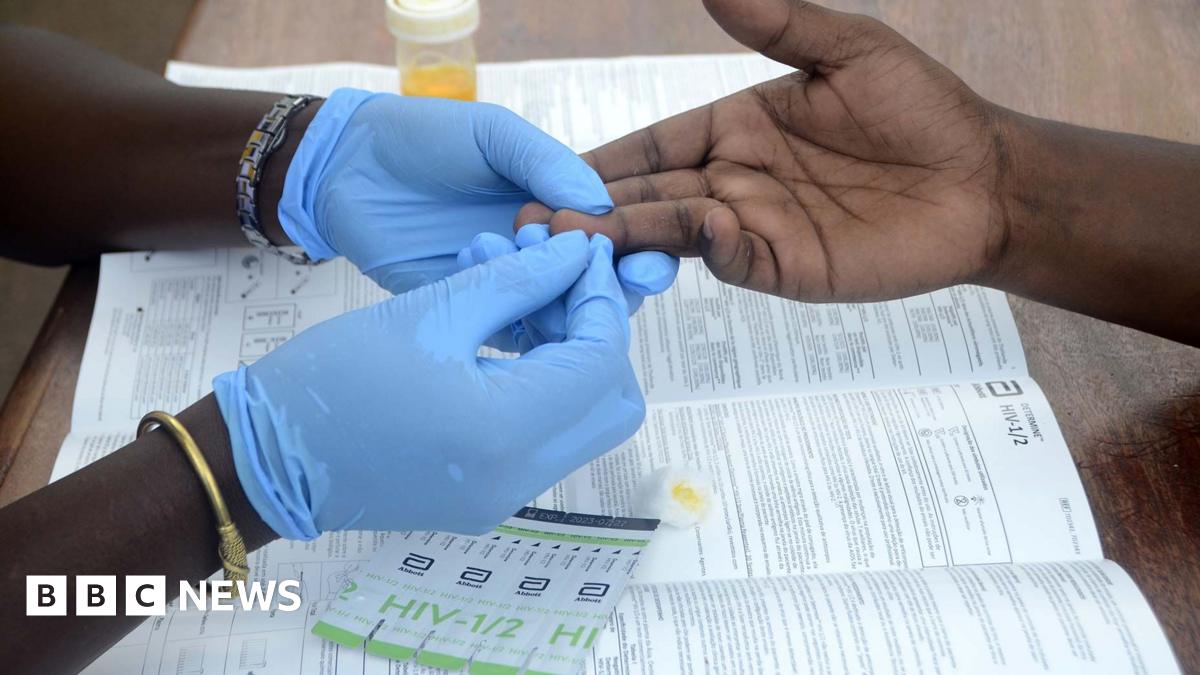
The US funding would have gone towards supporting programmes for HIV/Aids treatment and prevention, tuberculosis and malaria Zimbabwe has rejected a US health deal that would have provided $367m (£272m) in funding over five years because of Washington's demand for sensitive data. The decision has come to light after a government memo from December was leaked, revealing that President Emmerson Mnangagwa felt the deal was "lopsided".
AI Summary
Main Idea: Zimbabwe has rejected a large US health funding deal because it said the US wanted sensitive biological and health data without fair sharing of future benefits.
Key Points:
- The deal would have sent $367 million over five years for HIV, tuberculosis, malaria, and other health programs.
- Zimbabwe said the agreement was too one-sided because the US wanted access to samples and data but not equal access to new vaccines or treatments.
- The US said it would now wind down health aid in Zimbabwe, after giving more than $1.9 billion there over the past two decades.
- Health groups in Zimbabwe want more talks so support for HIV treatment and prevention can continue.
Impact on the People
Negative Impact
US taxpayers may see less clear value from health aid if Zimbabwe and other countries reject deals, while patients could face setbacks if programs lose funding.
Positive Impact
The dispute could push US health agreements to use stricter data safeguards, which may better protect patients and consumers.
How did each entity affect people?
Rate how each entity in this article affected the American people.
- Primary:Zimbabwecountry
Candidate Entities10 candidates · 5 weighted vote min · 70% decision
- ZimbabwecountryPrimaryEvaluated
Central country rejecting the US health funding deal and defending its position over data-sharing concerns.
Include 0 (0%)Ignore 0 (0%)5 to threshold - President Donald TrumppersonMajorAI selected
Named US president whose aid cuts and policy shift are major context for the deal.
Include 0 (0%)Ignore 0 (0%)5 to threshold - President Emmerson MnangagwapersonMajorAI selected
Named Zimbabwean president who reportedly viewed the deal as lopsided and whose position is central.
Include 0 (0%)Ignore 0 (0%)5 to threshold - Nick MangwanapersonContextCandidate
Zimbabwe government spokesperson who explains the government’s objections and response.
Include 0 (0%)Ignore 0 (0%)5 to threshold - Pamela TremontpersonContextCandidate
Named US ambassador quoted on winding down health assistance; important supporting official.
Include 0 (0%)Ignore 0 (0%)5 to threshold - United States Agency for International Developmentgovernment agency or bodyContextCandidate
Central aid body referenced as the mechanism for past and current US health funding.
Include 0 (0%)Ignore 0 (0%)5 to threshold - World Health Organizationinternational organizationContextCandidate
International body referenced in the government’s explanation of how the US approach is affecting global health structures.
Include 0 (0%)Ignore 0 (0%)5 to threshold
Comments 0
Comments here are the same thread shown when this article appears in The Pulse.
No comments on this article yet.
Sign in to comment