U.S. clears some diplomatic staff to leave Israel amid tension with Iran
Read Original Source
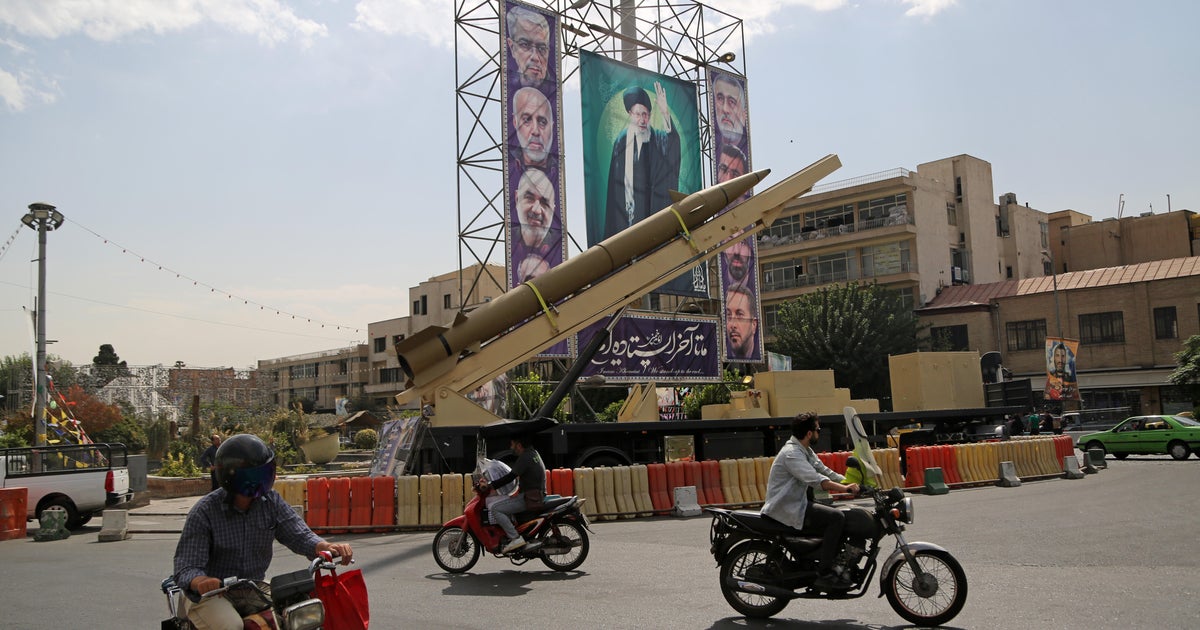
The U.S. State Department authorized non-emergency personnel and their family members to leave Israel on Friday, citing unspecified "safety risks." The change in guidance from the State Department comes as the U.S. continues negotiations with Iran on a potential nuclear deal, which Tehran hopes will avert a potential American military assault President Trump has prepared for with a massive deployment to the Middle East.
AI Summary
Main Idea: The U.S. State Department let some non-emergency staff and family members leave Israel as President Donald Trump’s administration weighs talks and possible military action against Iran.
Key Points:
- The State Department said the move was due to safety risks and told people they may want to leave while flights are still available.
- The advisory came as U.S.-Iran nuclear talks continued, with both sides saying there was some progress after meetings in Geneva.
- Trump has said he prefers a deal but has also threatened strikes if Iran does not agree to limits on its nuclear program.
- Other countries have also warned citizens to leave Israel and Iran as tensions in the region rise.
Impact on the People
Negative Impact
A wider US-Iran conflict could raise gas prices, disrupt travel, and shake markets, which would hit households and small businesses.
Positive Impact
The State Department’s departure step may lower risk for US staff and families in Israel while talks continue.
How did each entity affect people?
Rate how each entity in this article affected the American people.
- Primary:Irancountry
- Primary:Israelcountry
- Primary:President Donald Trumpperson
Candidate Entities11 candidates · 5 weighted vote min · 70% decision
- IrancountryPrimaryEvaluated
Core country in the negotiations, nuclear dispute, and military standoff central to the article.
Include 0 (0%)Ignore 0 (0%)5 to threshold - IsraelcountryPrimaryEvaluated
Core country in the travel guidance, diplomatic tensions, and military-security developments described in the story.
Include 0 (0%)Ignore 0 (0%)5 to threshold - President Donald TrumppersonPrimaryEvaluated
Central actor whose threats, deployment decisions, and preference for either military action or diplomacy drive the article.
Include 0 (0%)Ignore 0 (0%)5 to threshold - U.S. State Departmentgovernment agency or bodyPrimaryAI selected
Central agency that changed travel guidance and authorized non-emergency personnel and family members to leave Israel.
Include 0 (0%)Ignore 0 (0%)5 to threshold - Abbas AraghchipersonMajorAI selected
Iranian foreign minister and lead negotiator whose comments on the talks are a major focus.
Include 0 (0%)Ignore 0 (0%)5 to threshold - Jared KushnerpersonMajorAI selected
Named U.S. negotiator in the Iran talks and a prominent participant in the story.
Include 0 (0%)Ignore 0 (0%)5 to threshold - Secretary of State Marco RubiopersonMajorAI selected
Named official whose planned visit and public stance on Iran are part of the article’s main focus.
Include 0 (0%)Ignore 0 (0%)5 to threshold
Comments 0
Comments here are the same thread shown when this article appears in The Pulse.
No comments on this article yet.
Sign in to comment