Iran war threatens Trump's affordability push as rising energy prices complicate Fed rate cuts
Read Original Source
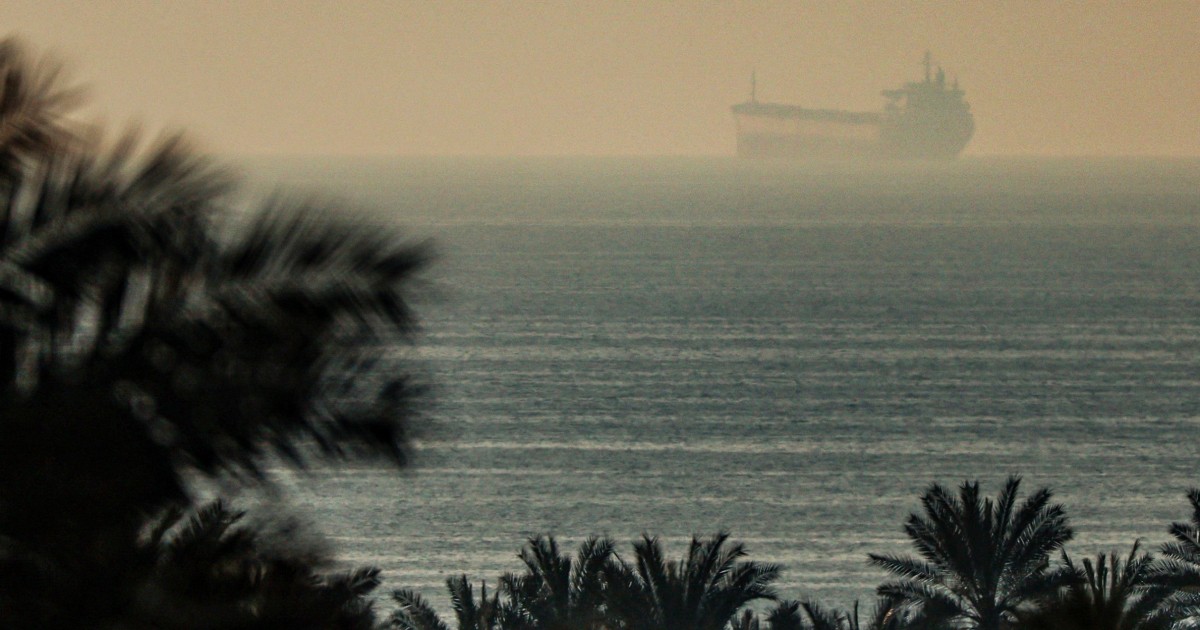
The war with Iran is quickly becoming an economic problem for the United States — and a policy dilemma for the Federal Reserve. Subscribe to read this story ad-free Get unlimited access to ad-free articles and exclusive content. Rising oil prices, shipping disruptions in the Middle East and fresh signs of weakness in the U.S. labor market are creating a complicated backdrop just as inflation had begun to show some signs of improvement.
AI Summary
Main Idea: Rising war-related energy costs are threatening President Donald Trump’s affordability message by pushing inflation higher and making it harder for the Federal Reserve to cut interest rates.
Key Points:
- Oil prices and gas prices have jumped after the Iran conflict, raising the risk of broader price increases for consumers.
- The Bureau of Labor Statistics said the U.S. lost 92,000 jobs last month, adding to worries about a weakening labor market.
- Goldman Sachs warned crude could top $100 a barrel if shipping through the Strait of Hormuz stays badly disrupted.
- The Fed is weighing both weaker growth and higher inflation, which could keep borrowing costs high for longer.
Impact on the People
Negative Impact
Higher oil and gas prices could raise household costs for driving, shipping, and many goods, while weaker jobs growth could squeeze workers and small businesses.
Positive Impact
Lower gas prices have helped some families before, and a later Fed rate cut could eventually ease borrowing costs if inflation cools.
How did each entity affect people?
Rate how each entity in this article affected the American people.
- Primary:President Donald Trumpperson
- Major:Goldman Sachscompany
Candidate Entities8 candidates · 5 weighted vote min · 70% decision
- President Donald TrumppersonPrimaryEvaluated
Central political actor whose comments and Iran-related actions are tied to the article’s main economic and policy impact.
Include 0 (0%)Ignore 0 (0%)5 to threshold - Goldman SachscompanyMajorEvaluated
Named financial firm cited for its warning that crude prices could rise sharply if disruptions persist.
Include 0 (0%)Ignore 0 (0%)5 to threshold - Capital EconomicscompanyContextCandidate
Economic research firm quoted on oil prices and the Fed’s interest-rate outlook.
Include 0 (0%)Ignore 0 (0%)5 to threshold - Governor Christopher WallerpersonContextCandidate
Named Federal Reserve governor quoted on the likely limited reaction to higher gas prices.
Include 0 (0%)Ignore 0 (0%)5 to threshold - Gregory DacopersonContextCandidate
Named economist quoted to explain how geopolitical and labor-market developments complicate the Fed’s job.
Include 0 (0%)Ignore 0 (0%)5 to threshold - President Mary DalypersonContextCandidate
Named Federal Reserve official quoted on the difficult balance of risks facing policymakers.
Include 0 (0%)Ignore 0 (0%)5 to threshold - Bloombergmedia outletMinorCandidate
Cited as the outlet reporting Christopher Waller’s remarks.
Include 0 (0%)Ignore 0 (0%)5 to threshold
Comments 0
Comments here are the same thread shown when this article appears in The Pulse.
No comments on this article yet.
Sign in to comment