DOJ seeks to drop case against ex-police officers charged in Breonna Taylor's death
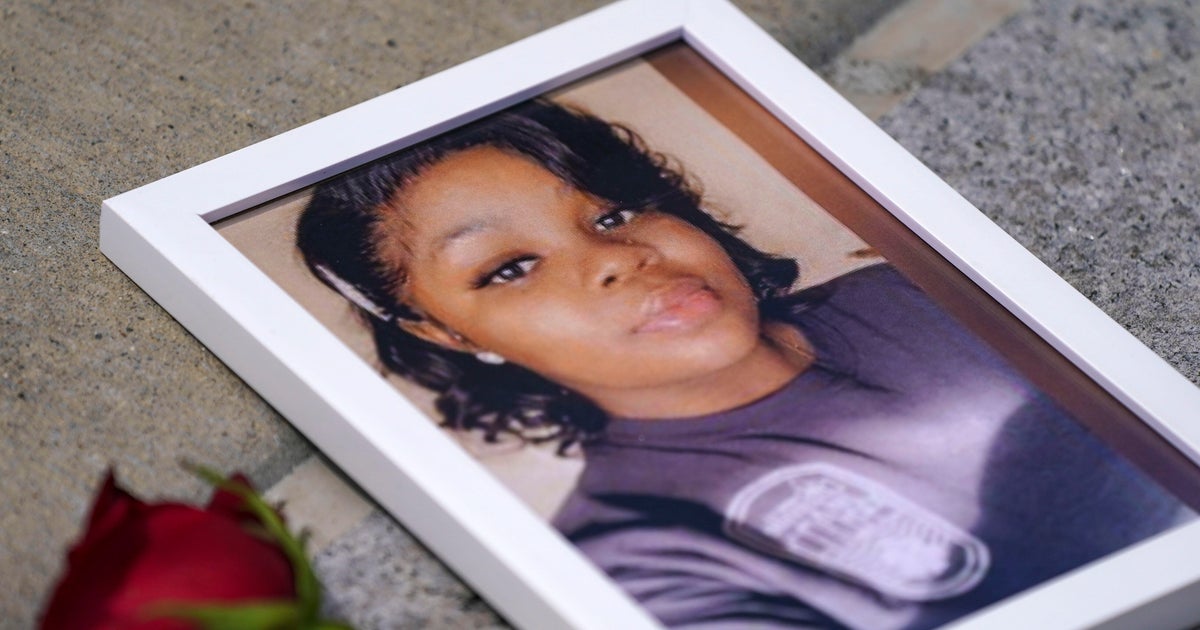
Read Original Source
The Justice Department on Friday moved to dismiss its criminal case against two former Louisville police officers who were facing civil rights charges in connection with the shooting death of Breonna Taylor. In a court filing Friday, lawyers from the Civil Rights Division said they are seeking to dismiss the pending case against Joshua Jaynes and Kyle Meany with prejudice, which means it could not be revived in the future. The judge has not yet ruled on the motion.
AI Summary
Main Idea: The Justice Department is seeking to drop its criminal case against former Louisville police officer Joshua Jaynes, a move that could end the federal charges tied to Breonna Taylor’s death.
Key Points:
- The Civil Rights Division asked a judge to dismiss the case with prejudice, which would prevent it from being brought again.
- Jaynes and another former officer were accused of lying to get the search warrant used in the raid that led to Taylor’s death.
- The Justice Department said it reviewed the case again and decided dismissal was in the interest of justice.
- Taylor’s family and civil rights leaders criticized the move, saying it deepens the lack of accountability in the case.
Impact on the People
Negative Impact
Dropping the case may reduce public trust in the Justice Department and weaken confidence that police misconduct will be punished. Communities may worry that fewer accountability cases mean less protection for civil rights.
Positive Impact
No clear positive impact identified.
How did each entity affect people?
Rate how each entity in this article affected the American people.
- Primary:Breonna Taylorperson
- Primary:Civil Rights Divisiongovernment agency or body
- Primary:Joshua Jaynesperson
Candidate Entities11 candidates · 5 weighted vote min · 70% decision
- Breonna TaylorpersonPrimaryEvaluated
The death of Breonna Taylor is the core event underlying the entire article.
Include 0 (0%)Ignore 0 (0%)5 to threshold - Civil Rights Divisiongovernment agency or bodyPrimaryEvaluated
Division within the Justice Department that filed the motion to dismiss and is the key decision-making body in.
Include 0 (0%)Ignore 0 (0%)5 to threshold - Joshua JaynespersonPrimaryEvaluated
Former Louisville police officer whose criminal case is the main subject of the dismissal motion.
Include 0 (0%)Ignore 0 (0%)5 to threshold - Justice Departmentgovernment agency or bodyPrimaryAI selected
Central federal agency moving to dismiss the criminal case against the former officers.
Include 0 (0%)Ignore 0 (0%)5 to threshold - Kyle MeanypersonPrimaryAI selected
Former Louisville police officer whose criminal case is the main subject of the dismissal motion.
Include 0 (0%)Ignore 0 (0%)5 to threshold - Attorney General Harmeet DhillonpersonMajorAI selected
Assistant Attorney General who signed the dismissal filing and is a named official tied to the action.
Include 0 (0%)Ignore 0 (0%)5 to threshold - Attorney General Robert KeenanpersonMajorAI selected
Acting Deputy Assistant Attorney General named as a signer of the filing and repeatedly involved in the division’s.
Include 0 (0%)Ignore 0 (0%)5 to threshold
Comments 0
Comments here are the same thread shown when this article appears in The Pulse.
No comments on this article yet.
Sign in to comment