Federal judge temporarily blocks further demolition of the White House for Trump's ballroom
Read Original Source
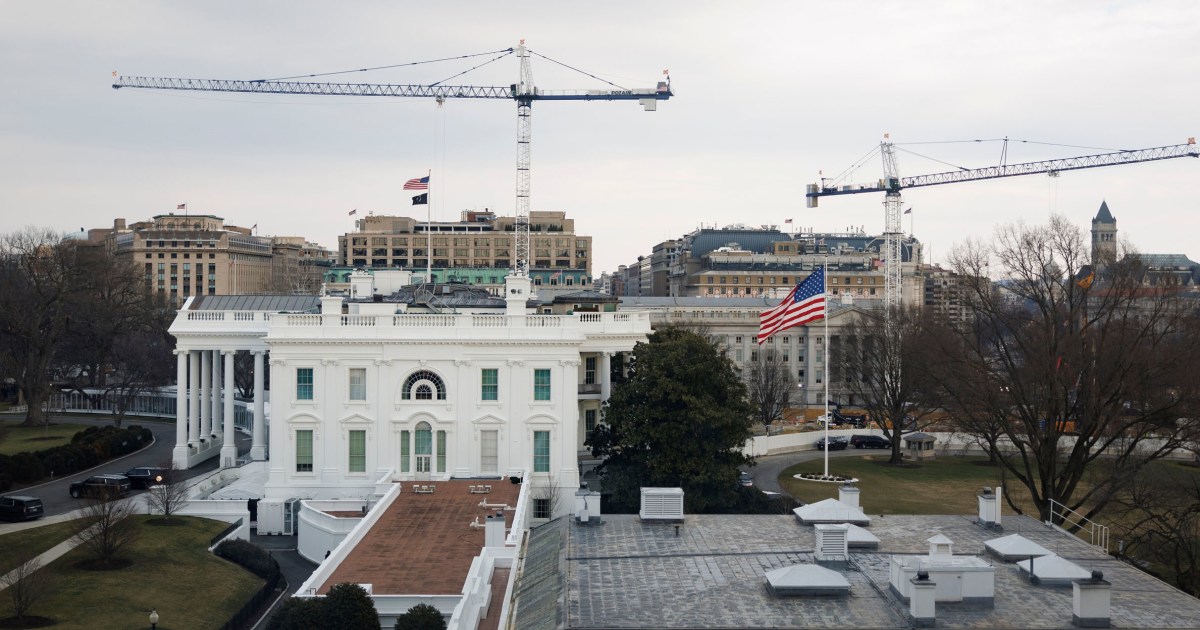
A federal judge in Washington has issued an order temporarily blocking the construction of President Donald Trump's expansive new White House ballroom and any further demolition of the East Wing. Subscribe to read this story ad-free Get unlimited access to ad-free articles and exclusive content. “I have concluded that the National Trust is likely to succeed on the merits because no statute comes close to giving the President the authority he claims to have," wrote U.S. District Judge Richard J.
AI Summary
Main Idea: A federal judge temporarily blocked Donald Trump from continuing demolition and construction work for his planned White House ballroom, saying he likely lacked the authority to do it without Congress.
Key Points:
- U.S. District Judge Richard J. Leon ordered a pause on further demolition, site work, and construction tied to the ballroom project.
- Leon said the Constitution gives Congress control over federal property like the White House, not the president alone.
- The ruling came after the National Trust for Historic Preservation argued Trump had overstepped his power.
- Trump said the project is privately funded and claimed the judge was wrong, while the Justice Department quickly filed an appeal.
Impact on the People
Negative Impact
The lawsuit may delay a private ballroom project at the White House, adding legal costs and uncertainty while taxpayers and nearby workers watch a high-profile federal dispute drag on.
Positive Impact
The judge’s order may protect the White House and public oversight, and it could stop rushed demolition until Congress or the courts decide what is allowed.
How did each entity affect people?
Rate how each entity in this article affected the American people.
- Primary:National Trust for Historic Preservationnonprofit / NGO
- Primary:President Donald Trumpperson
- Primary:U.S. District Judge Richard J. Leonperson
Candidate Entities7 candidates · 5 weighted vote min · 70% decision
- National Trust for Historic Preservationnonprofit / NGOPrimaryEvaluated
The plaintiff that challenged the project and won the injunction, making it a central actor in the dispute.
Include 0 (0%)Ignore 0 (0%)5 to threshold - President Donald TrumppersonPrimaryEvaluated
Central actor whose ballroom project, public comments, and reaction to the judge’s order drive the story.
Include 0 (0%)Ignore 0 (0%)5 to threshold - U.S. District Judge Richard J. LeonpersonPrimaryEvaluated
Issued the temporary block on further demolition and construction, which is the article’s main action.
Include 0 (0%)Ignore 0 (0%)5 to threshold - Department of Justicegovernment agency or bodyMajorAI selected
Filed the notice of appeal shortly after the ruling and represents the administration’s legal response.
Include 0 (0%)Ignore 0 (0%)5 to threshold - National Planning Commissiongovernment agency or bodyMajorAI selected
Expected to vote on the project and described as being led by Trump appointees, making it a relevant.
Include 0 (0%)Ignore 0 (0%)5 to threshold - Comcast Corp.companyMinorCandidate
Named as one of the private funding sources for the ballroom project.
Include 0 (0%)Ignore 0 (0%)5 to threshold - President George W. BushpersonMentionCandidate
Mentioned only as the president who appointed Judge Leon.
Include 0 (0%)Ignore 0 (0%)5 to threshold
Comments 0
Comments here are the same thread shown when this article appears in The Pulse.
No comments on this article yet.
Sign in to comment