Trump administration moves to toss remaining Jan. 6 convictions, clearing Proud Boys and Oath Keepers
Read Original Source
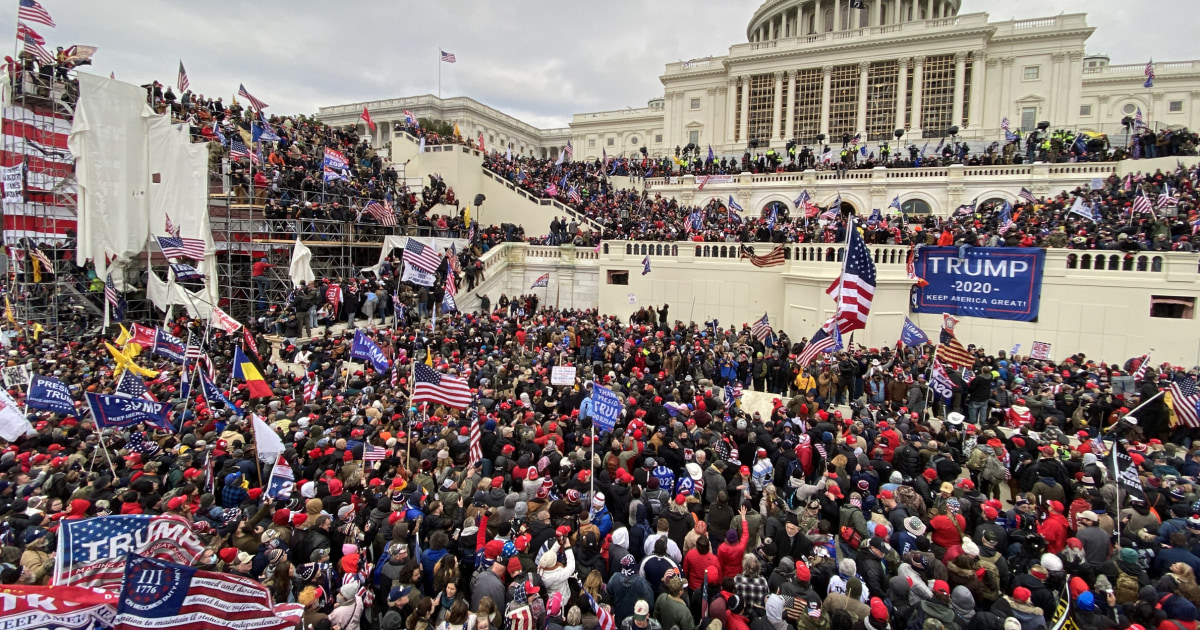
The Trump administration moved Tuesday to clear some of the last remaining convictions related to the Jan. 6 attack on the U.S. Capitol, as some still stood following President Donald Trump's mass pardons last year. Subscribe to read this story ad-free Get unlimited access to ad-free articles and exclusive content. The filing, submitted to the U.S. Court of Appeals for the District of Columbia Circuit by the office of the U.S.
AI Summary
Main Idea: The Trump administration moved to erase the remaining Jan. 6 convictions tied to Proud Boys and Oath Keepers members, extending its effort to clear people convicted after the Capitol attack.
Key Points:
- The Justice Department asked a federal appeals court to vacate convictions of four Proud Boys members and said it will seek similar action in Oath Keepers cases.
- Officials said wiping out the convictions is “in the interests of justice” and part of ending what they called Biden-era, politically driven prosecutions.
- The move could remove felony-related penalties and other lasting limits, even though the men have already been released from prison.
- The filing comes after Trump’s earlier pardons and commutations for Jan. 6 defendants, which had already wiped out most of the cases tied to the riot.
Impact on the People
Negative Impact
Clearing Jan. 6 Convictions could weaken trust that the justice system treats political violence seriously and may let some felons regain rights like gun ownership.
Positive Impact
No clear positive impact identified.
How did each entity affect people?
Rate how each entity in this article affected the American people.
- Primary:Proud Boyspolitical organization
Candidate Entities12 candidates · 5 weighted vote min · 70% decision
- Proud Boyspolitical organizationPrimaryEvaluated
One of the main groups whose convictions the administration sought to erase.
Include 0 (0%)Ignore 0 (0%)5 to threshold - President Donald TrumppersonPrimaryAI selected
Central actor whose administration’s move to vacate remaining Jan. 6 convictions is the main focus of the article.
Include 0 (0%)Ignore 0 (0%)5 to threshold - Dominic PezzolapersonMajorAI selected
Named Proud Boys defendant whose conviction is part of the filing.
Include 0 (0%)Ignore 0 (0%)5 to threshold - Ethan NordeanpersonMajorAI selected
Named Proud Boys defendant whose conviction is part of the filing.
Include 0 (0%)Ignore 0 (0%)5 to threshold - Jeanine PirropersonMajorAI selected
As U.S. attorney for the District of Columbia, her office filed the motion that drives the story.
Include 0 (0%)Ignore 0 (0%)5 to threshold - Joseph BiggspersonMajorAI selected
Named Proud Boys defendant whose conviction is part of the filing.
Include 0 (0%)Ignore 0 (0%)5 to threshold - Oath Keeperspolitical organizationMajorAI selected
Another main group affected by the administration’s similar motions.
Include 0 (0%)Ignore 0 (0%)5 to threshold - United States Court of Appeals for the District of Columbia Circuitgovernment agency or bodyMajorAI selected
The court where the motion to vacate the convictions was filed.
Include 0 (0%)Ignore 0 (0%)5 to threshold
Comments 0
Comments here are the same thread shown when this article appears in The Pulse.
No comments on this article yet.
Sign in to comment