Federal judge blocks above-ground White House ballroom construction
Read Original Source
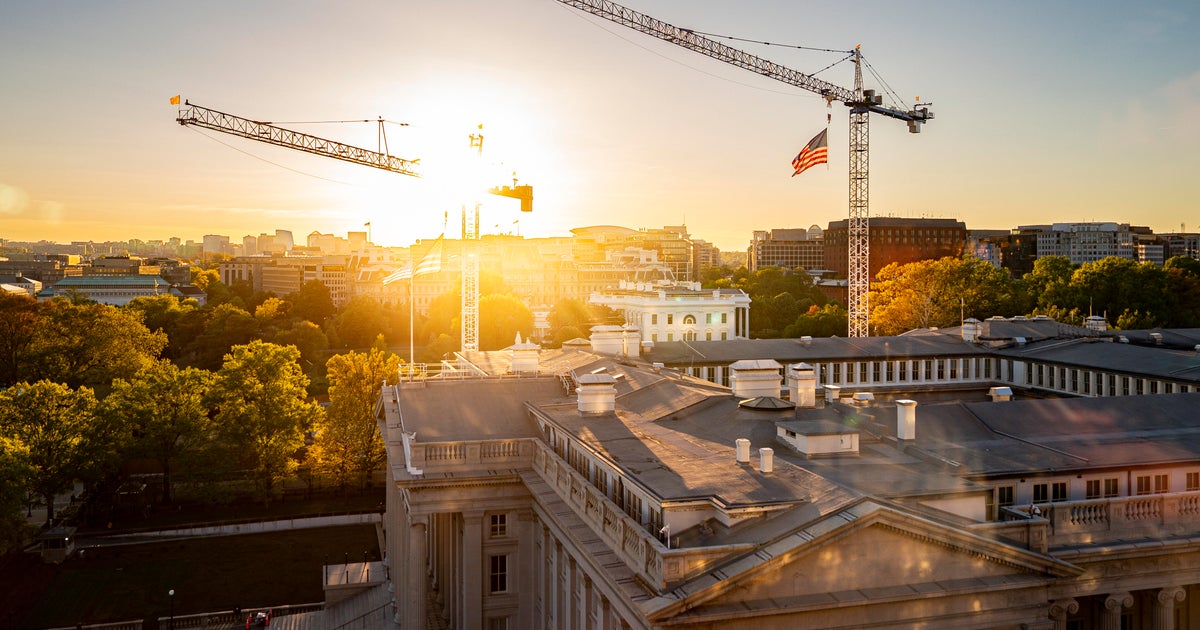
A federal judge on Thursday said above-ground work on the White House East Wing must stop, but underground construction on a presidential bunker can continue. U.S. District Judge Richard Leon, who in March temporarily blocked the Trump administration's construction of a 90,000-square-foot ballroom to replace the White House's East Wing, clarified his order Thursday after a federal appeals court ordered him to reconsider the national security implications of halting the construction.
AI Summary
Main Idea: A federal judge blocked above-ground construction on the White House ballroom project, while allowing underground security work to continue for now.
Key Points:
- Judge Richard Leon said work above ground in the East Wing must stop, but underground construction tied to security can continue.
- He allowed work needed to cover, secure, and protect the underground facilities, as long as it does not lock in the ballroom’s final above-ground size.
- The Justice Department argued the ruling could harm the president and national security, and President Donald Trump called the judge’s order political and harmful.
- The dispute comes after Trump announced a privately funded ballroom plan, the East Wing was torn down, and the National Trust for Historical Preservation sued to stop the project.
Impact on the People
Negative Impact
The court fight can delay a White House project and add legal costs, which may raise taxpayer concern and keep security work unsettled.
Positive Impact
The judge’s limits may reduce the chance that a large new project hurts the White House, while still allowing needed safety and waterproofing work.
How did each entity affect people?
Rate how each entity in this article affected the American people.
- Primary:Judge Richard Leonperson
- Primary:President Donald Trumpperson
- Major:Justice Departmentgovernment agency or body
Candidate Entities6 candidates · 5 weighted vote min · 70% decision
- Judge Richard LeonpersonPrimaryEvaluated
Federal judge who issued and clarified the order stopping above-ground construction.
Include 0 (0%)Ignore 0 (0%)5 to threshold - President Donald TrumppersonPrimaryEvaluated
Central figure whose administration’s ballroom and East Wing construction plans are the focus of the ruling and reaction.
Include 0 (0%)Ignore 0 (0%)5 to threshold - Justice Departmentgovernment agency or bodyMajorEvaluated
Federal agency that argued on appeal and filed the government’s appeal of the judge’s order.
Include 0 (0%)Ignore 0 (0%)5 to threshold - National Trust for Historical Preservationnonprofit / NGOMajorAI selected
Organization that sued to block construction of the new East Wing.
Include 0 (0%)Ignore 0 (0%)5 to threshold - U.S. Court of Appeals for the District of Columbia Circuitgovernment agency or bodyMajorAI selected
Appellate court that extended the stay and ordered clarification of the lower court ruling.
Include 0 (0%)Ignore 0 (0%)5 to threshold - White House East Wingcultural institutionContextCandidate
Specific structure at the center of the construction dispute, though it is not an accountable actor.
Include 0 (0%)Ignore 0 (0%)5 to threshold
Comments 0
Comments here are the same thread shown when this article appears in The Pulse.
No comments on this article yet.
Sign in to comment