Top Republicans warn Trump's Germany troop withdrawals send wrong message to Putin
Read Original Source
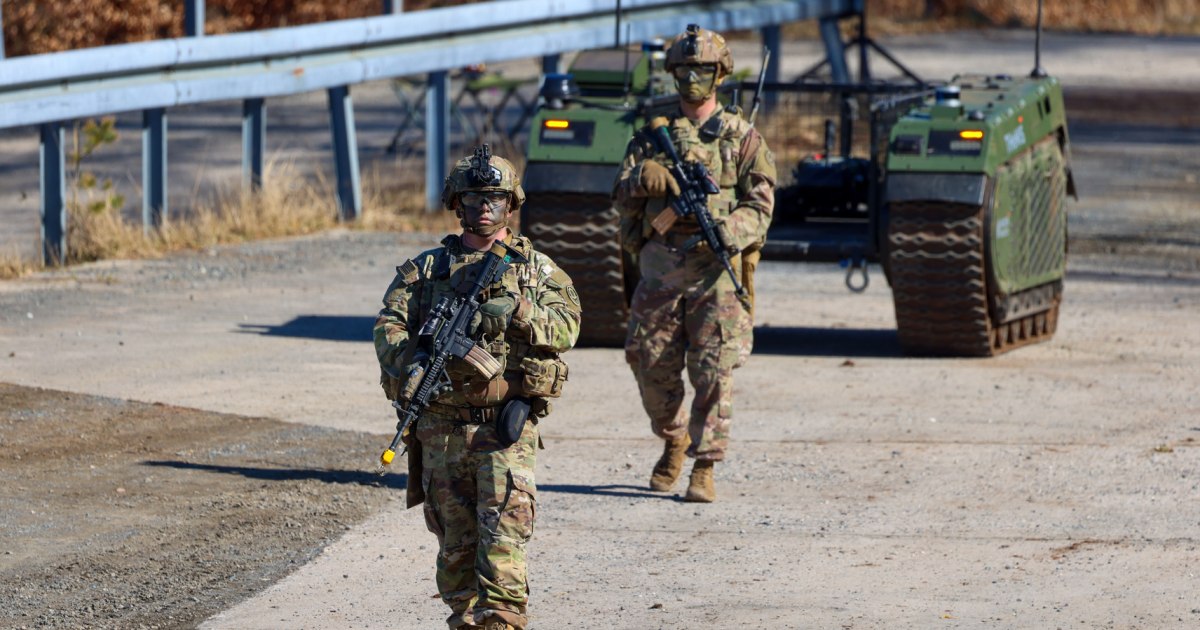
Two top Republican lawmakers expressed their concern Saturday about President Donald Trump’s decision to withdraw 5,000 U.S. troops from NATO ally Germany. Subscribe to read this story ad-free Get unlimited access to ad-free articles and exclusive content. “We are very concerned by the decision to withdraw a U.S. brigade from Germany,” Sen. Roger Wicker, R-Miss, and Rep. Mike Rogers, R-Ala., respectively the heads of the House and Senate Armed Services committees, said in a joint statement.
AI Summary
Main Idea: President Donald Trump’s plan to pull U.S. troops out of Germany has drawn sharp warnings from Republican lawmakers that it could weaken deterrence against Russia.
Key Points:
- Sen. Roger Wicker and Rep. Mike Rogers said cutting a U.S. brigade from Germany sends the wrong message and hurts America’s role in Europe.
- Trump said the troop cut could be larger than 5,000, and the Pentagon said the move would happen over the next six months to a year.
- The lawmakers warned that reducing the U.S. presence too soon could weaken NATO deterrence before Europe can fully build up its own defenses.
- The move has also drawn criticism from Democrats and European leaders, who say it could strain transatlantic ties and embolden Russia.
Impact on the People
Negative Impact
Pulling troops from Germany may weaken NATO deterrence and raise the risk of wider conflict, which could mean more security threats and higher defense costs for US households and taxpayers.
Positive Impact
Some Americans may support shifting troops and spending toward home needs,.
How did each entity affect people?
Rate how each entity in this article affected the American people.
- Primary:President Donald Trumpperson
- Primary:United Statescountry
Candidate Entities11 candidates · 5 weighted vote min · 70% decision
- President Donald TrumppersonPrimaryEvaluated
Central actor whose troop-withdrawal decision and public remarks drive the story.
Include 0 (0%)Ignore 0 (0%)5 to threshold - United StatescountryPrimaryEvaluated
Main country actor making the military decision and driving the transatlantic policy dispute.
Include 0 (0%)Ignore 0 (0%)5 to threshold - Department of Defensegovernment agency or bodyMajorAI selected
Pentagon-linked body that announced the withdrawal and is implementing the force-posture review.
Include 0 (0%)Ignore 0 (0%)5 to threshold - North Atlantic Treaty Organizationinternational organizationMajorAI selected
Central alliance affected by the troop decision and cited throughout the article.
Include 0 (0%)Ignore 0 (0%)5 to threshold - Representative Mike RogerspersonMajorAI selected
One of the top Republican lawmakers leading the public warning against the troop withdrawal.
Include 0 (0%)Ignore 0 (0%)5 to threshold - Senator Roger WickerpersonMajorAI selected
One of the top Republican lawmakers leading the public warning against the troop withdrawal.
Include 0 (0%)Ignore 0 (0%)5 to threshold - Vladimir PutinpersonMajorAI selected
Named foreign leader used as the key strategic reference point for the deterrence warning.
Include 0 (0%)Ignore 0 (0%)5 to threshold
Comments 0
Comments here are the same thread shown when this article appears in The Pulse.
No comments on this article yet.
Sign in to comment